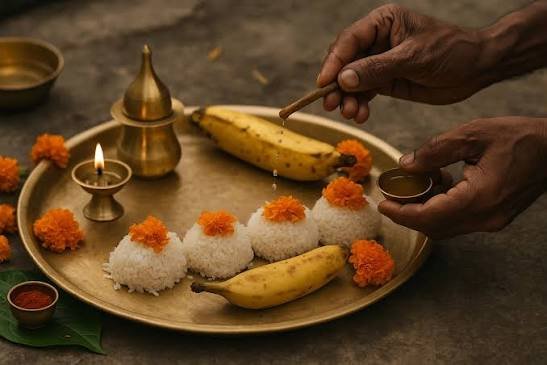
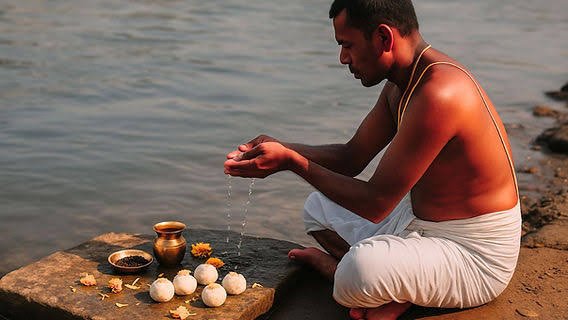
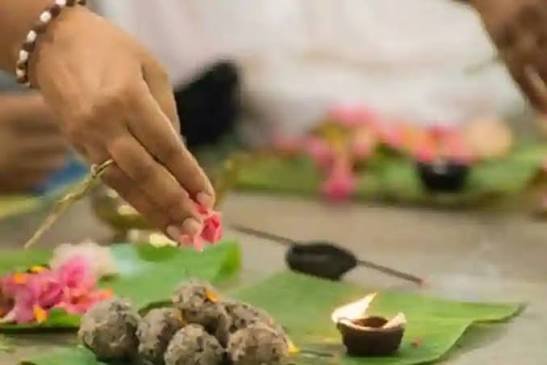
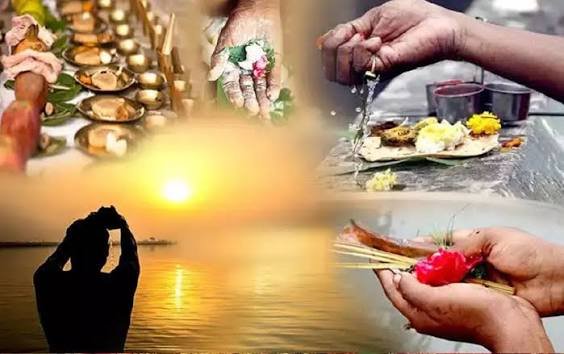
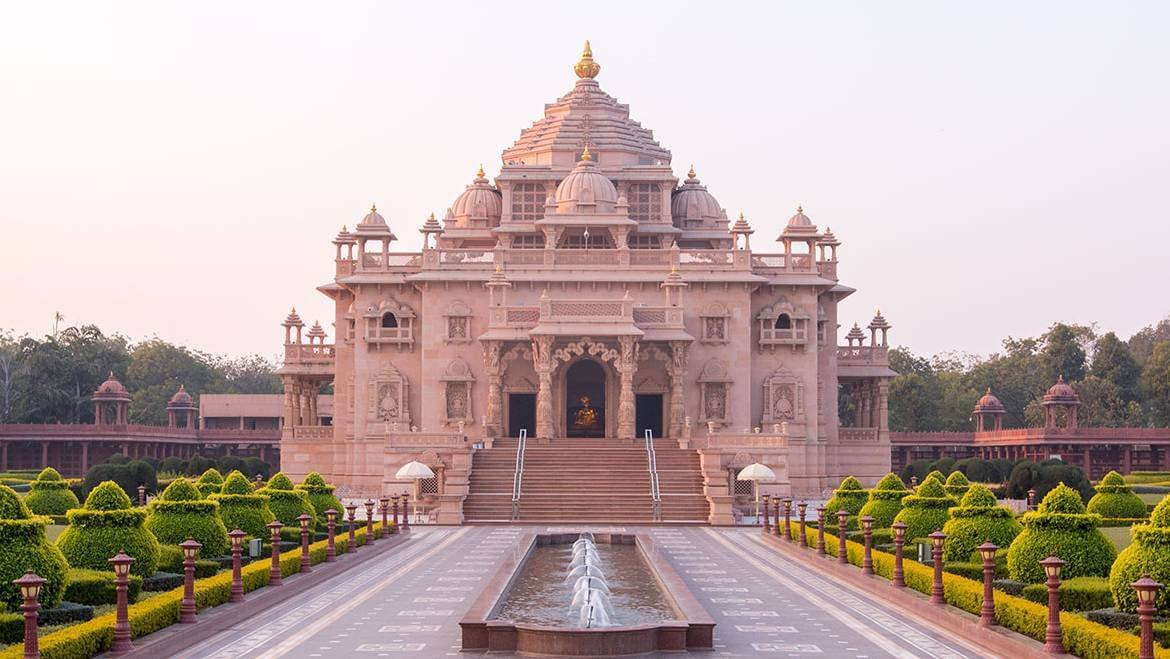
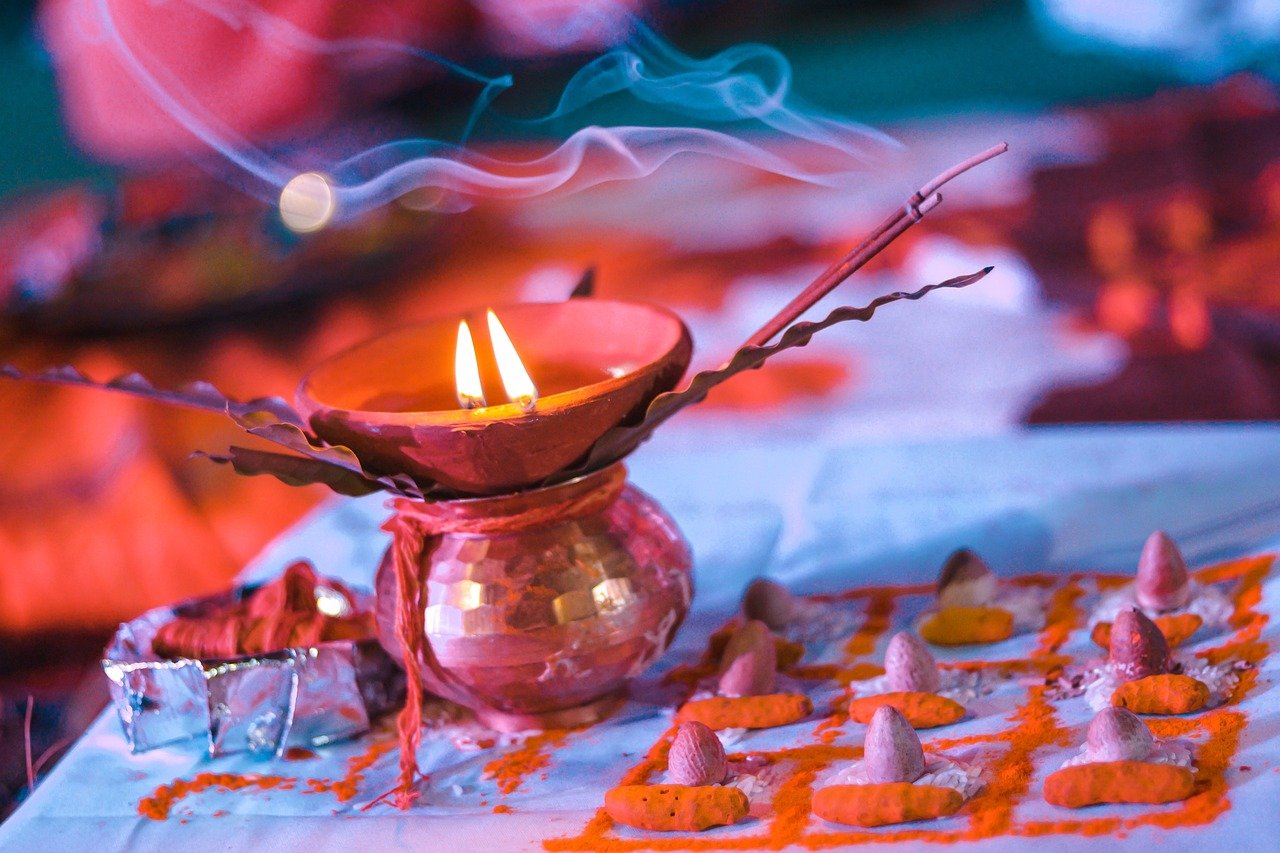
A comprehensive guide to the sacred Shradh ritual, its significance in Hindu tradition, and how to honor your ancestors with devotion.
Shradh (श्राद्ध) is derived from the Sanskrit word meaning 'faith,' 'dedication,' and 'trust.' It is a Hindu ritual performed to honor, respect, and pay homage to deceased ancestors. The ritual expresses filial piety and ensures spiritual nourishment for the departed souls throughout their journey in the afterlife.
Shradh has roots in the Vedic period and is extensively mentioned in the Yajur Veda, Atharva Veda, and various Puranas. According to Hindu philosophy, Shradh is a sacred obligation to ancestors (Pitri Rina - debt to forefathers). It is believed to provide the departed souls with spiritual sustenance and help them attain salvation (Moksha).
The essence of Shradh lies in maintaining the spiritual connection between the living and the departed. It acknowledges that our existence is built upon the sacrifices of our ancestors. Through Shradh, we express gratitude, seek their blessings, and ensure their peaceful transition in the spiritual realm. This sacred duty is considered fundamental to Hindu dharma.
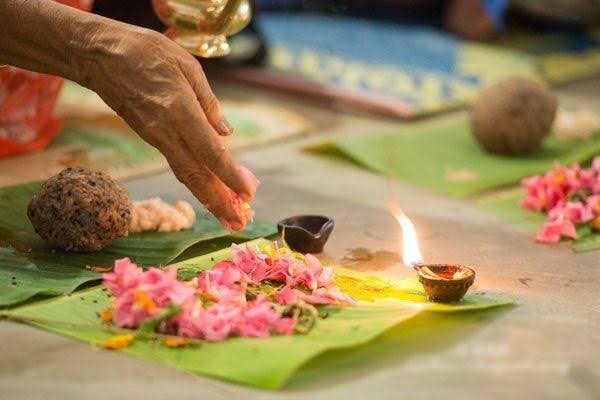
Shradh is more than a ritual—it is a sacred duty that connects us to our ancestors and fulfills a fundamental obligation in Hindu dharma. Here are the key reasons.
Express love, respect, and gratitude to those who came before us and shaped our lives.
Fulfill the sacred Pitri Rina (ancestral debt) as prescribed in Vedic scriptures.
Invoke divine protection and blessings of satisfied ancestors upon the family.
Help souls attain higher realms and freedom from the cycle of rebirth.
Foster family unity and strengthen bonds through shared spiritual practices.
Performing Shradh with devotion brings numerous spiritual, emotional, and karmic benefits to both the ancestors and the living family members.
Ensures eternal peace, satisfaction, and spiritual nourishment for departed souls.
Brings happiness, harmony, wealth, and long-term prosperity to the entire family.
Invoke divine protection and positive karmic influence from satisfied ancestors.
Promotes emotional balance, inner peace, and freedom from ancestral guilt.
Supports physical health, immunity, and longevity through positive karmic energy.
Strengthens devotion, gratitude, and deepens spiritual awareness and connection.
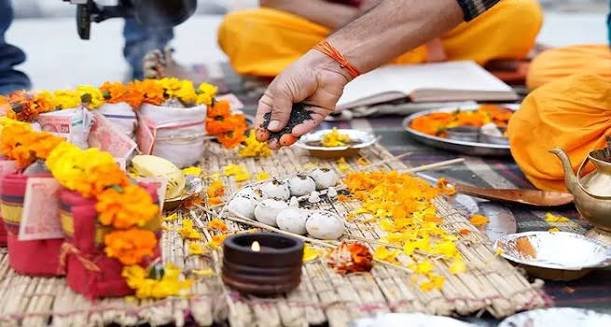
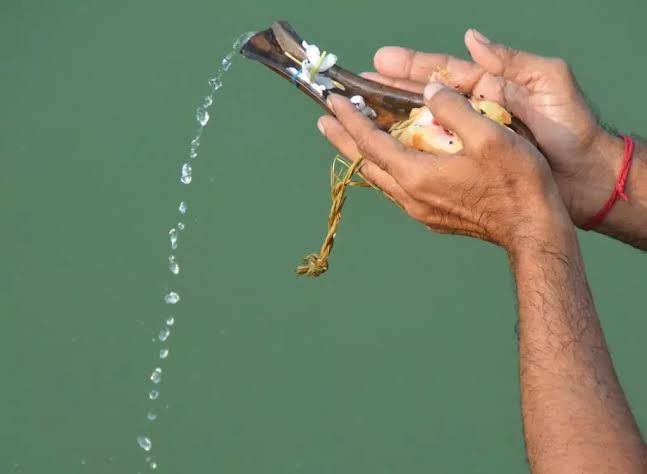
Understanding the traditional steps involved in performing a complete Shradh ceremony according to Vedic procedures and family customs.
A traditional Shradh ceremony comprises several important components that work together to honor ancestors according to Vedic procedures and family customs.
Learn the key aspects and principles that make Shradh one of the most sacred and important rituals in Hindu tradition and Vedic culture.
There are various forms of Shradh rituals performed at different times and for different purposes according to Vedic tradition and family customs.
Explore our collection of sacred ceremonies, temples, and spiritual moments
Experience the spiritual transformation and divine blessings through authentic Puja services.
Hear
stories from devotees who found peace and prosperity.
Find answers to common questions about Shradh ritual, its significance, and how to perform it correctly.